There is hardly a cultural institution in Queens that Claire Shulman didn鈥檛 have a hand in building or resurrecting.
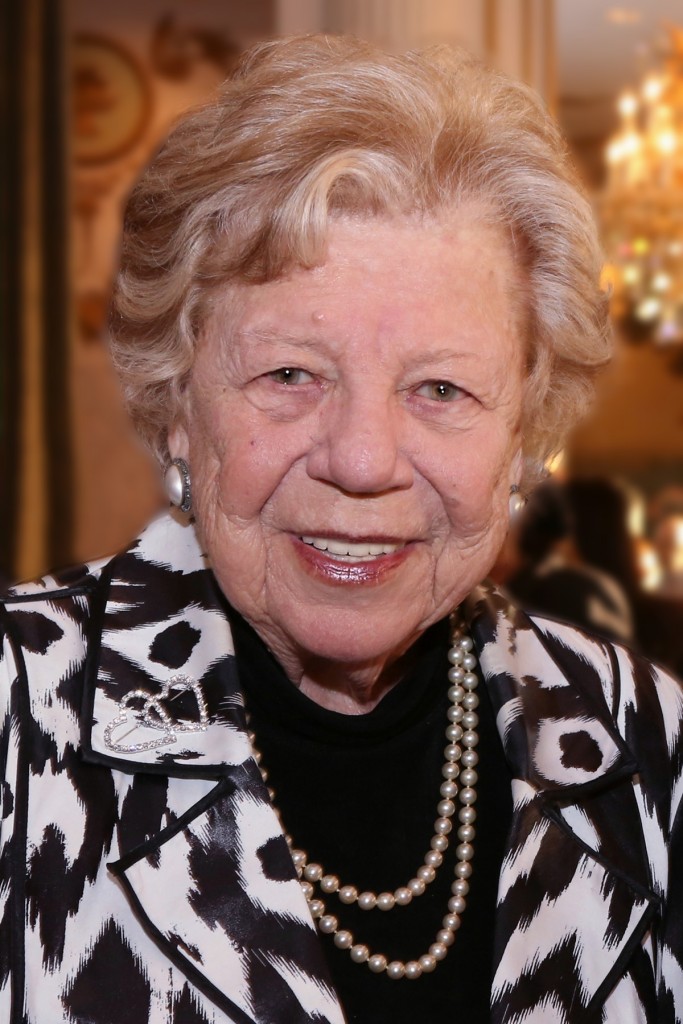 Claire (Kantoff) Shulman 鈥�46 is the last to call herself a politician. She prefers to see herself聽as a nurse who embraced government administration. But her long record in New York City聽politics鈥攊ncluding 16 years as Queens Borough president鈥攑roves that she is, indeed, a savvy聽political leader, one who navigated a convoluted bureaucracy to achieve tangible results.
There is hardly a cultural institution in Queens that Shulman聽didn鈥檛 have a hand in building or resurrecting. At 88, she can聽recall the ins and outs of bringing to life many of the borough鈥檚聽cultural gems, including the film and television production聽studios in Astoria and the adjacent Museum of the Moving聽Image. There鈥檚 also the Queens Hall of Science, the Queens聽Zoo (where the two bald eagles are named for Claire and her聽husband, Melvin), the Queens Museum of Art and the聽Queens Botanical Garden, among others.
鈥淲e rebuilt and built all the cultural stuff so the people of聽Queens who couldn鈥檛 afford Manhattan had a place to go,鈥澛燬hulman said.聽Bringing Queens out from the shadow of Manhattan was聽a theme of Shulman鈥檚 leadership.聽Of her many building projects, Shulman takes special pride in聽her hard-fought battle to build a new Queens Hospital, replacing聽the hospital where she trained and first worked as a nurse.
In 1997, Mayor Rudolph Giuliani announced that the city聽would fund a new 200-bed hospital adjacent to the decrepit聽original one. In covering the news, The New York Times聽wrote that Shulman had 鈥減ushed for the project so fervently聽for years that she has become personally identified with it.鈥澛燬hulman described the city鈥檚 medical politics: 鈥淭he city of聽New York is considered one region. All of the beds are in聽Manhattan.鈥� Bringing beds and services to Queens was聽her attempt at evening the score.
鈥淚 mean if you had a heart attack in Queens, you鈥檇 die on聽the Queensboro Bridge because you wouldn鈥檛 make it to聽the hospital in time,鈥� she said.
Asked whether she had imagined she would have a career聽in politics, Shulman had a ready answer, 鈥淣o. I鈥檓 a nurse.鈥�
Shulman was one of the first women to enroll in Adelphi鈥檚聽Central Collegiate School of Nursing鈥攁 unit of the U.S.聽Cadet Nurse Corps, which opened in 1943. She was just聽17 when she transferred to Adelphi from Brooklyn College.聽She wanted to be a nurse and earn her bachelor鈥檚 degree鈥攏ot just her R.N.鈥攁nd, according to an ad she saw on a聽city trolley car, she could do both at Adelphi.
During her Adelphi training, Shulman opted to work at Queens聽General Hospital. 鈥淚 felt that I would get more experience in a聽hospital that relied more on nurses than on doctors,鈥� she said.
After graduation, she returned to the hospital to work in female聽medicine. A year later, she was appointed the department鈥檚聽head nurse. She was 21 and the only nurse on the staff with聽a bachelor鈥檚 degree. She recalled that the promotion 鈥渄id not聽exactly endear me to the older nurses on the floor.鈥�
According to Shulman, the fact that so many male doctors聽were drafted into World War II meant that nurses 鈥渞an that聽hospital.鈥� She added, 鈥淢y experience in the hospital taught聽me that I could do anything.鈥�
Shulman stayed on as the head of female medicine until her聽first child (Lawrence, who is now the chief of staff at Dana-Farber Cancer Institute) was born in 1950.
More than a decade later, Shulman found herself as the president聽of the Mothers鈥� Club at her children鈥檚 school鈥擯.S. 41 in聽Queens. 鈥淣obody else, of course, wanted that job,鈥� she quipped.
By then, she also had a daughter (Ellen, now a physician-astronaut聽who participated in three Space Shuttle voyages),聽and was a full-time homemaker.
Quickly, she showed her prowess for getting things done.聽Recognizing that the school was in need of repair, Shulman and聽a friend who was a lawyer took up the issue with the head of
the New York City Board of Education鈥攊n person. 鈥淲e said,聽鈥楩ix this school up or we鈥檙e going to sue you as a slum lord,鈥欌�澛燬hulman recalled, laughing. 鈥淣obody knew what a slum lord
was in those days, but we were very creative.鈥�
The tactic worked. The school was refurbished. Property聽rates went up, and Shulman won an appointment to the聽district planning board.
By 1972, she became director of all 14 of the planning boards聽in Queens. With access to the budget, she started to build up聽the borough, from schools and libraries to cultural institutions.
鈥淲e did a lot of things. I鈥檓 an old nurse, so I could do 20聽things at the same time,鈥� Shulman said.
In 1980, Queens Borough President Donald Manes appointed聽Shulman as his deputy borough president. Six years later,聽he resigned after being caught up in a massive scandal, and聽Shulman was named his successor by the City Council. Later聽that year, she won an election for the post. She won the vote聽three more times before term limits forced her to step down聽in 2001.
Shulman surrounded herself with talent and is quick to聽acknowledge the contributions of her deputies. For aspiring聽politicians, she offers this advice: 鈥淵ou cannot do this alone.聽I had the best staff.鈥�
She acknowledged, too, that in politics, doggedness pays off.聽鈥淲hen you start a project, you have to make sure [that] until聽that shovel goes in the ground, you don鈥檛 let go. Otherwise,聽middle management will make their own priorities and it聽will vanish.鈥�
Asked what it was like to be a woman in politics at the time,聽Shulman said, 鈥淲ell, I鈥檒l tell you, I didn鈥檛 have a tough job聽because I was so much older than everybody else, and they聽were afraid to deal with me. They didn鈥檛 say, 鈥榃e鈥檙e not聽going to listen to her because she鈥檚 a woman.鈥� They said,聽鈥榃e鈥檇 better listen to her because she鈥檚 like our mother.鈥欌��
Joanne Shapiro, 鈥渁 Queens insider,鈥� offered the Daily News a聽slightly different angle. In an admiring portrait of Shulman, which聽the paper ran at the end of her term in 2001, Shapiro offered this聽analysis: 鈥淢ost people think of her as a nice old grandmother,聽not a politician. But she鈥檚 brilliant at it. She鈥檚 a master.鈥�
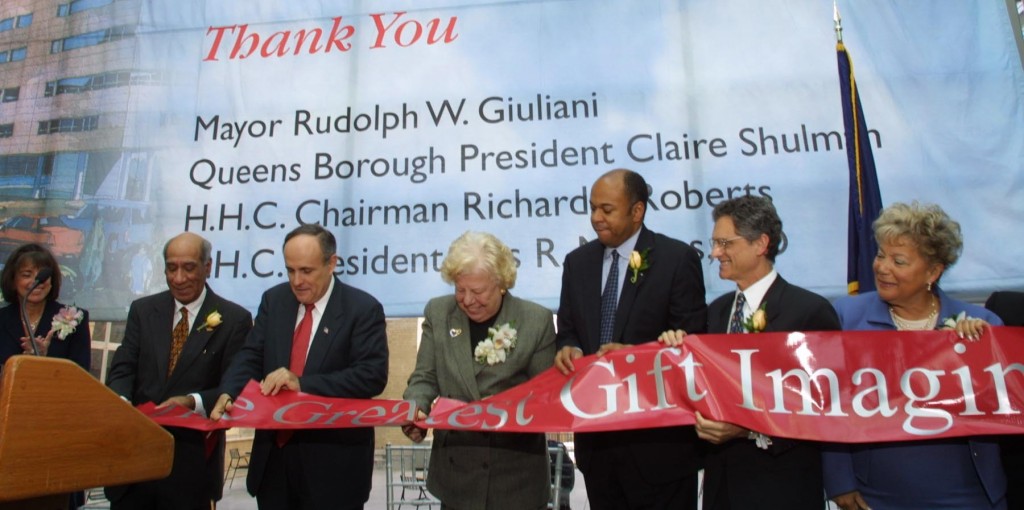
Claire Shulman ’46, Queens Borough president from 1986 to 2001 (fourth from right) is joined by other dignitaries, including New York City Mayor Rudolph Giuliani, at the opening of a new Queens Hospital Center in 2001.聽